Source Safety Stirrups for Equestrian Training, Racing, and Jumping
Explore 30 listings for safety stirrups designed for equestrian training, racing, and jumping. Compare materials like aluminum alloy and stainless steel, check customization options, and review specifications from suppliers in China; compare the available evidence and request quotations based on your requirements.
Key considerations
Products List




Comprehensive Sourcing Guide
Safety Stirrups Sourcing Guide
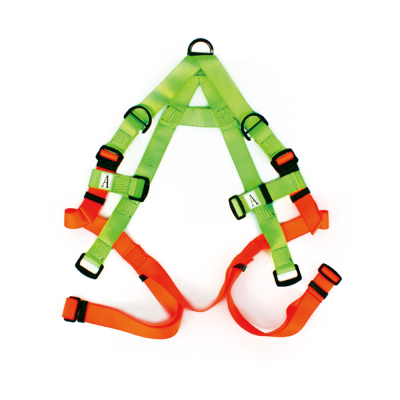
Procuring safety stirrups requires distinguishing between standard equestrian equipment and industrial-grade fall protection systems, as the supplied data reveals a mix of applications ranging from general hardware to specialized harnesses. Buyers must first clarify whether the requirement involves lightweight aluminum alloy components for riding or heavy-duty stainless steel assemblies designed for construction and rescue scenarios. The observed product attributes indicate a market offering both customizable industrial harnesses with shock-absorbing lanyards and generic hardware with variable weight capacities, necessitating a precise definition of the end-use environment before initiating contact with suppliers.
The commercial landscape for these items presents a wide variance in minimum order quantities and pricing structures, with observed MOQs ranging from single units to thousands of pieces. This disparity suggests that buyers seeking small batches for testing or specific customizations can access suppliers with low entry barriers, while large-scale procurement for industrial safety programs may require negotiating volume discounts with manufacturers in regions like Tianjin or Shandong. Understanding these commercial thresholds is critical, as the "Accept Custom" and "OEM&ODM" capabilities listed in the data imply that lead times and unit costs will fluctuate significantly based on the complexity of the requested specifications and the chosen material grade.
Product Scope and Observed Listing Signals
The available product listings demonstrate a broad spectrum of configurations, including models with specific standard numbers like ST2001L-125 and others defined by generic descriptors such as "Standard, Customized." Buyers should note that while some items are explicitly labeled for adult use with specific weight capacities, others list "By asking" for material composition, indicating a need for direct supplier confirmation regarding the alloy or steel grade. This variability in listing signals means that a single search query may return results spanning from simple D-ring hardware to complex full-body harnesses with padded adjustable straps, requiring careful filtering to isolate the exact safety stirrup or attachment point needed for the intended application.
Observations of packaging and origin data reveal that suppliers often offer flexible shipping options, ranging from simple bags to custom cartons, with origins spanning multiple Chinese provinces including Zhejiang, Shandong, and Taiwan. This geographic diversity suggests that buyers can source from different manufacturing hubs depending on their logistical preferences, though the specific "Place of Origin" listed for certain items may influence shipping costs and delivery timelines. The presence of "Customized" packing and "Accept Custom" size attributes further indicates that suppliers are prepared to adapt their output to specific branding or logistical requirements, but buyers must explicitly define these needs to avoid receiving generic, non-compliant inventory.
Technical Specifications to Verify
When evaluating technical specifications, the primary focus must be on the structural integrity and load-bearing capabilities of the components, as the data highlights critical metrics such as a load capacity of 140-200 Kg and energy absorber types designed for shock absorption. Buyers must verify that the selected stirrups or harness components meet the specific weight limits of their intended users, ensuring that the "Universal Adult ≤150kg" standard or higher capacity models are selected based on the actual operational load. The presence of adjustable features like chest straps, leg buckles, and waist strap widths of 45 mm suggests that fit and comfort are integral to the design, but these dimensions must be cross-referenced with the specific ergonomic requirements of the workforce or riders involved.
Material selection is another critical technical parameter, with observed listings specifying Aluminum Alloy, Stainless Steel, and unspecified materials requiring inquiry. For applications involving harsh environments or high corrosion risks, verifying the use of Stainless Steel is essential, whereas Aluminum Alloy may suffice for lighter-duty tasks where weight reduction is a priority. Additionally, the temperature range of -20°C to 60°C and high abrasion resistance are key performance indicators that must be confirmed for each specific model, as these attributes directly impact the longevity and safety of the equipment in extreme weather or high-friction scenarios.
Compliance and Safety Documentation
Compliance verification is paramount when sourcing safety equipment, as the data indicates a mix of certifications including ISO, CE, DOT, FDA, FCC, RoHS, and specific safety standards like EN361 and EN358. Buyers must ensure that the supplier can provide valid, up-to-date certification documents for the specific model number being purchased, as the presence of "CE En361 / En358 / ANSI" standards suggests that the product is designed to meet rigorous international safety requirements for fall protection. It is crucial to confirm that the certification applies to the exact configuration and material composition of the ordered item, rather than assuming that a general certification covers all variations of the product line.
Beyond general certifications, the documentation must explicitly address the specific safety mechanisms of the product, such as the number of D-ring hooks and the type of energy absorber used. The data mentions "Shock Absorbing Lanyard" and "Fixed Mode: Two-point," which are critical details for ensuring the equipment functions correctly during a fall event. Buyers should request test reports or third-party validation that confirms the product's ability to withstand the stated load capacities and temperature ranges, ensuring that the safety documentation aligns with the operational hazards of the construction, rescue, or climbing environments where the equipment will be deployed.
Cost Drivers and Commercial Terms
The cost of safety stirrups is heavily influenced by the complexity of customization, the choice of material, and the volume of the order, as evidenced by the wide price range from $0.09 to $2300 and MOQs spanning from 1 to 5000 units. Buyers seeking highly customized solutions with specific branding, unique dimensions, or specialized materials should anticipate higher unit costs and potentially longer lead times compared to those purchasing standard, off-the-shelf items. The "Customized" and "OEM&ODM" attributes suggest that value-added services like logo printing and tailored packaging will incur additional charges, which must be factored into the total cost of ownership alongside the base unit price.
Commercial terms regarding payment, shipping, and lead times are equally variable, with suppliers offering different packing options like PP bags, cartons, or fully custom solutions that may affect logistics costs. Buyers should clarify whether the quoted price includes all necessary certifications and testing documentation, as well as the specific Incoterms that define responsibility for shipping and insurance. Given the diverse origins listed, including Tianjin and Shandong, buyers must also consider regional shipping rates and potential tariffs, ensuring that the final landed cost aligns with the budget constraints of the procurement project.
Supplier Qualification and Quality Control
Supplier qualification should begin with a thorough review of their manufacturing capabilities and quality control processes, particularly given the diverse product models and origins observed in the market. Buyers must verify that the supplier has a proven track record in producing safety-critical equipment, as the presence of multiple certifications and specific model numbers indicates a level of technical sophistication that requires robust internal quality assurance. It is advisable to request evidence of their production capacity, including their ability to handle both small custom orders and large-scale production runs without compromising on the consistency of the product specifications.
Quality control measures should extend beyond the final inspection to include raw material verification and in-process testing, ensuring that the Aluminum Alloy or Stainless Steel used meets the required standards. Buyers should inquire about the supplier's protocols for handling custom orders, including how they manage design changes and ensure that the final product matches the agreed-upon specifications for weight capacity, strap width, and energy absorption. Establishing a clear communication channel for quality feedback and requesting sample units for pre-shipment testing can help mitigate the risks associated with sourcing from a market with varied product attributes and origins.
Long-Term Procurement Checks
Long-term procurement success depends on establishing a reliable supply chain that can consistently deliver products meeting safety standards and performance expectations over time. Buyers should implement a periodic review process to audit supplier performance, focusing on their ability to maintain certification validity, adhere to agreed-upon lead times, and provide consistent quality across multiple production batches. This ongoing monitoring is essential, as the safety stirrups market involves dynamic regulatory environments and evolving safety standards that require suppliers to remain agile and compliant.
Additionally, buyers must plan for the lifecycle management of the equipment, including regular inspections, maintenance schedules, and eventual replacement protocols. The observed attributes regarding temperature ranges and abrasion resistance highlight the importance of selecting durable products that can withstand long-term use in demanding environments. By maintaining a proactive approach to supplier relationships and equipment management, organizations can ensure that their safety stirrups and related fall protection systems remain effective and compliant throughout their operational lifespan, thereby safeguarding personnel and minimizing liability risks.
FAQs
Can safety stirrups be customized with logos?
Yes, safety stirrups can be customized with logos as customization is available and custom logos are accepted. Many suppliers offer OEM and ODM services to meet specific branding needs while maintaining high durability standards for adult use in various industrial scenarios.
What materials are used for safety stirrups?
Safety stirrups are commonly made from aluminum alloy or stainless steel to ensure strength and corrosion resistance. Some products may require specific material inquiries, but high-quality metal construction is standard for supporting heavy loads in construction and rescue applications.
Which certifications do safety stirrups typically hold?
Safety stirrups typically hold certifications such as ISO, CE, DOT, FDA, FCC, RoHS, and EN standards like EN361. These certifications ensure the products meet international safety requirements for load capacity and structural integrity in demanding industrial and climbing environments.
How is the packaging for safety stirrups handled?
Packaging for safety stirrups is often available in bags, cartons, or fully customized options depending on buyer requirements. Suppliers frequently use PP bags combined with cartons for standard shipments, ensuring the products remain protected during transit to various global destinations.
What is the minimum order quantity for safety stirrups?
The minimum order quantity for safety stirrups can range from 1 piece up to 5000 pieces depending on the supplier. Some vendors offer a low MOQ of 10 pieces for trial orders, while others may require larger quantities for custom manufacturing runs.
Where are safety stirrups manufactured?
Safety stirrups are manufactured in various locations including China, with specific origins noted in Tianjin, Zhejiang, and Shandong provinces. Some products may also originate from Taiwan, China, indicating a diverse supply base for international buyers seeking reliable production sources.
Can safety stirrups be adjusted for different users?
Yes, safety stirrups often feature adjustable lengths and straps to accommodate different user sizes and preferences. Adjustable buckles and padded straps allow for a secure fit, ensuring comfort and safety during use in construction, rescue, or climbing activities.